;)


Is data destruction also data protection?
Data destruction
When we think about data protection, we usually think about preventing unauthorised access. Firewalls, encryption, passwords and access controls are all designed to keep sensitive information safe. But what happens when that information is no longer needed?
When data is no longer needed
Data can remain on a device long after it has stopped being useful to an organisation. Old hard drives, SSDs, USB drives and other storage media may still contain confidential business information.
Simply deleting files or formatting a device does not always guarantee that the data is permanently gone. This becomes particularly important when equipment is replaced, recycled or leaves the organisation.
Secure destruction closes the gap
This is where data destruction becomes part of data protection.
Using a method appropriate to the type of storage media – such as degaussing, deflashing or physical destruction – can ensure that information which has reached the end of its lifecycle cannot be recovered.
The aim is not only to remove data from everyday access, but to eliminate the possibility of unauthorised recovery.
Why it matters for businesses
Keeping data that is no longer needed creates an unnecessary security risk. It still has to be stored, protected and eventually disposed of.
Secure destruction can help organisations reduce the amount of obsolete data they hold and maintain greater control over information throughout its lifecycle. It also makes the disposal of IT equipment a planned security process rather than an afterthought.
The final step in data protection
Data protection should cover the entire lifecycle of information — including its final stage.
Once data no longer has a legitimate purpose, ensuring that it cannot be recovered is an important part of responsible information management.
So, is data destruction also data protection? Yes. Securely removing information when it is no longer needed is simply another way of protecting it.
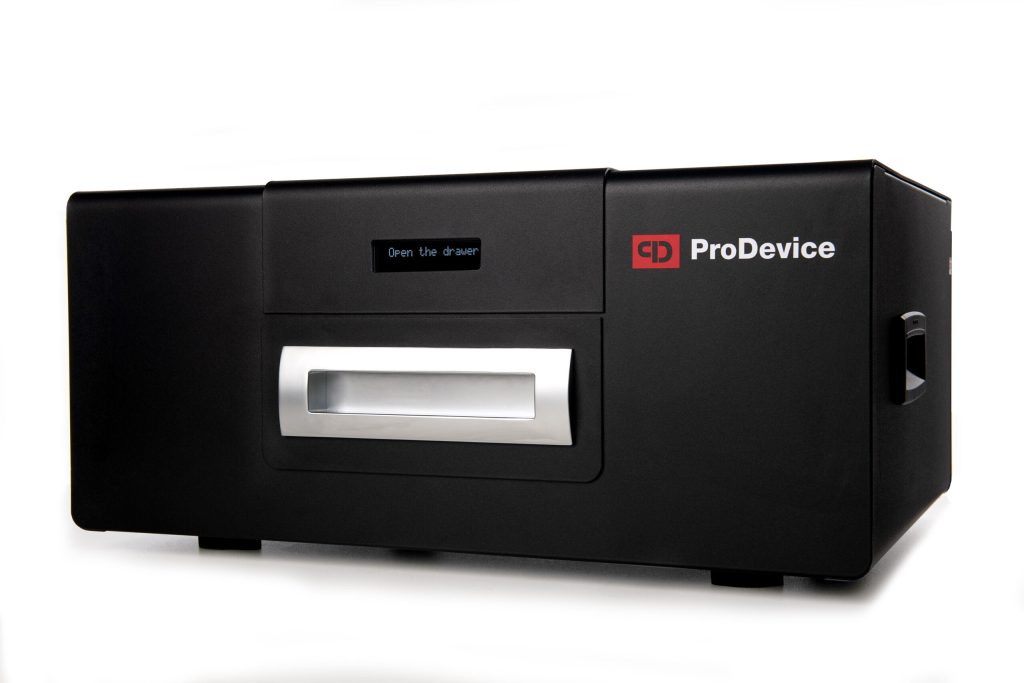
ProDevice ASM120 degausser – data protcetion

