;)


Does formatting a hard drive really destroy data?
Many people believe that formatting a hard drive permanently destroys all stored data. In reality, this is one of the most common misconceptions about information security. If a storage device contains confidential or sensitive information, it is essential to use
a method that guarantees irreversible data destruction. This is particularly important for businesses, public institutions, financial organizations, and healthcare organizations, where information security is critical.
What happens when a hard drive is formatted?
Many users assume that formatting a hard drive completely removes all stored data. However, this assumption is incorrect and can have serious consequences, especially for organizations that process confidential information.
Whether you are planning to sell a computer, return leased equipment, replace storage devices, or dispose of obsolete IT assets, it is important to understand what actually happens to the data after a drive is formatted.
Formatting prepares a storage device for future use by creating or refreshing its file system. It does not physically remove the data from the storage medium. Instead, it simply changes how the operating system indexes and accesses
the data. Until new data is written over the same storage locations, much of the original information remains intact and can potentially be recovered.
As a result, a formatted drive may still contain recoverable documents, photographs, databases, financial records, and other sensitive information that could be accessed by unauthorized individuals.
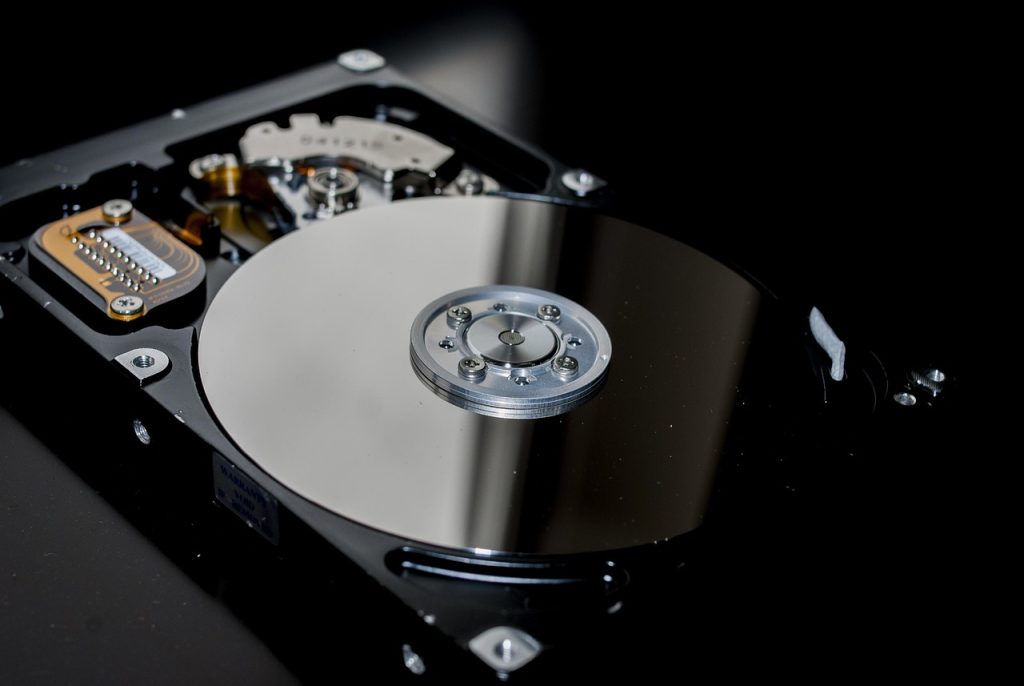
Can data be recovered from a formatted drive?
Yes—in many cases, it can. Professional data recovery companies and digital forensics laboratories use specialized tools capable of recovering information from storage devices that have only been formatted. In addition, widely available data
recovery software allows users with only basic technical knowledge to recover deleted files themselves. For this reason, formatting should never be considered a secure method of permanently erasing data.
Why is this important for businesses?
Storage devices that are removed from service often contain valuable and confidential information, including:
- personal data of employees and customers,
- financial records,
- contracts and commercial documentation,
- technical documentation and engineering drawings,
- databases,
- business correspondence,
- proprietary and trade secret information.
Selling, returning, servicing, recycling, or disposing of storage devices without properly destroying the data they contain may result in data breaches, violations of data protection regulations, financial losses, and significant reputational damage.
How can data be permanently destroyed?
If data must be destroyed beyond recovery, specialized data destruction methods should be used.
Depending on the type of storage media, these methods include:
- degaussing (demagnetization) of HDDs, which permanently destroys the magnetic recording on the platters,
- deflashing and other technologies specifically designed to permanently destroy data stored on flash-based media such as SSDs, USB flash drives,
Summary
The misconception that formatting a drive permanently destroys data remains widespread despite growing awareness of information security risks. In reality, formatting typically leaves the data intact, making it recoverable with the appropriate software or forensic tools. Before selling, returning, recycling, or disposing of IT equipment, organizations should ensure that the chosen data destruction method permanently prevents data recovery.
Choosing the right data destruction method is a critical step toward protecting confidential information and ensuring compliance with data protection regulations.

